
Why Should I Travel to Malawi?
Malawi is one of those countries that quietly surprises people. It might not be as famous as some of Africa’s bigger safari destinations, but that’s part of its charm. The country is known as the Warm Heart of Africa because of its friendly people and welcoming culture. Travellers looking for wildlife and authentic experiences without huge crowds, Malawi feels like a hidden gem.
Lake Malawi: The Heart of the Country
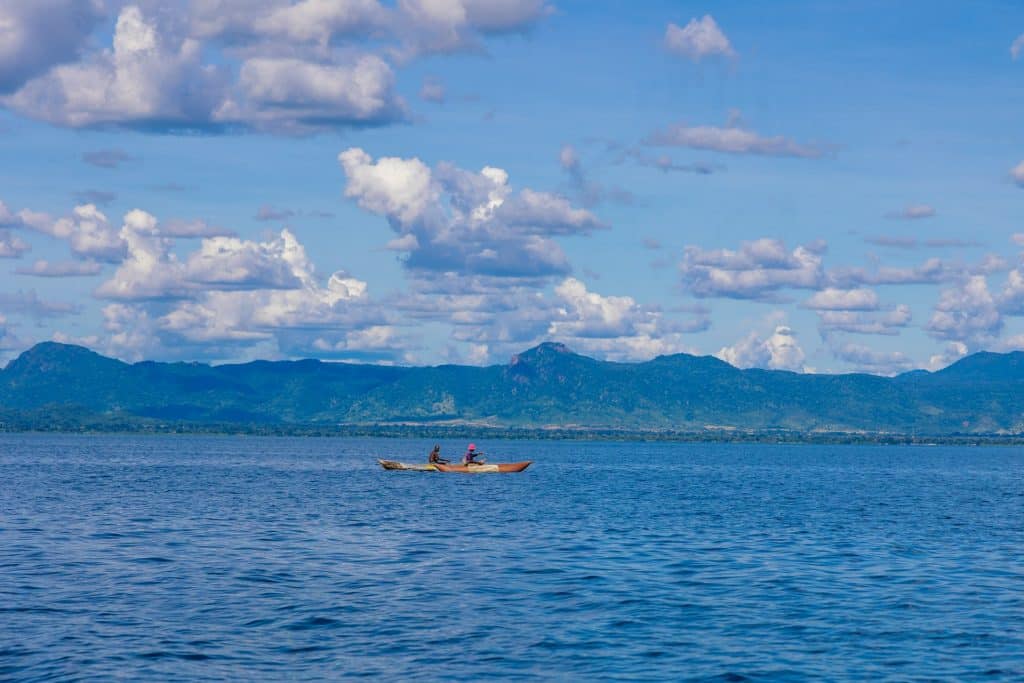
One of Malawi’s biggest highlights is Lake Malawi. The lake stretches along much of the country’s eastern border and is often described as the heart of Malawi. It’s also incredibly important for wildlife. Lake Malawi is famous for having more species of fish than almost anywhere else in the world, especially colourful cichlids found nowhere else on Earth.
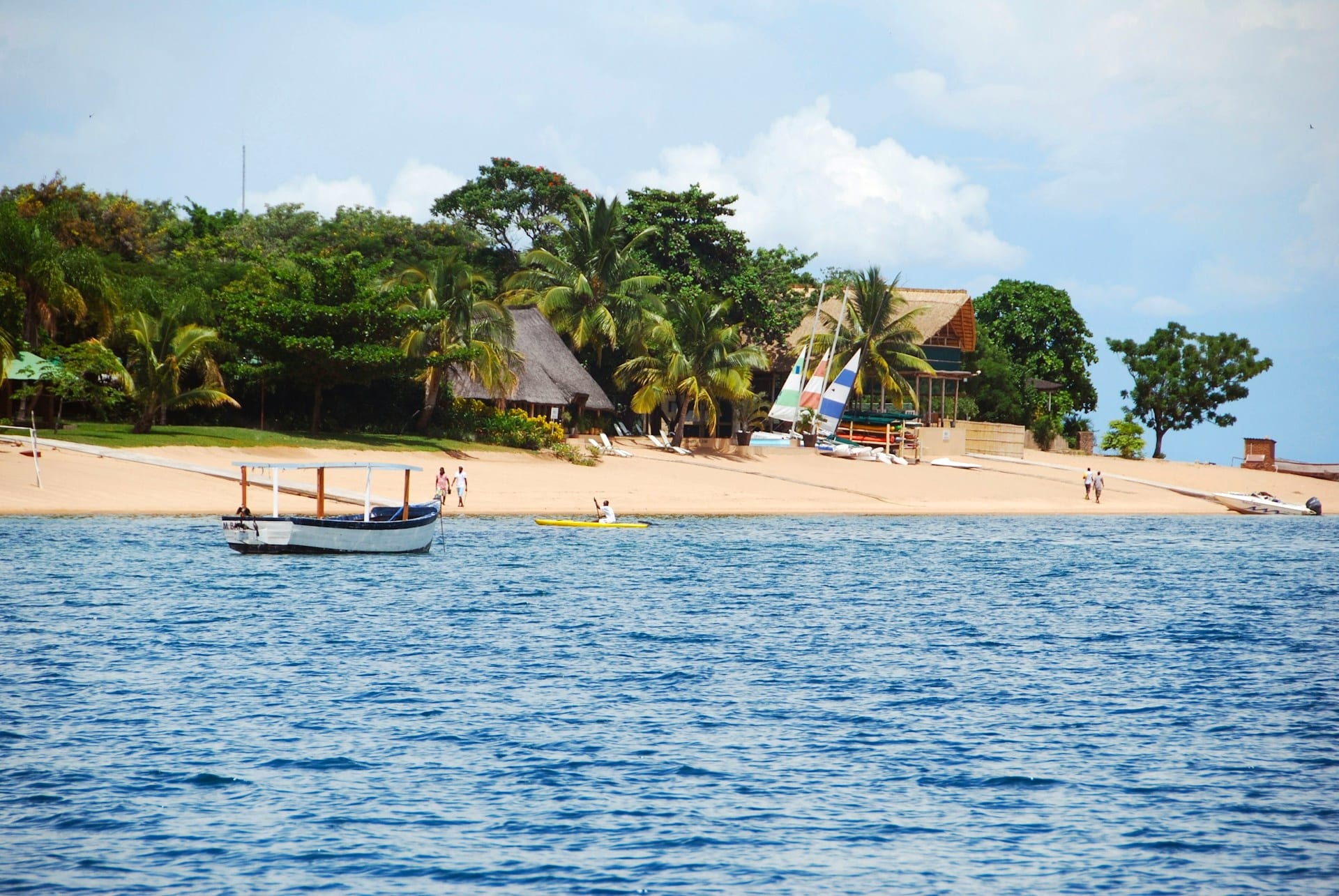
The lake itself is stunning, with clear blue water, sandy beaches, and small fishing villages along the shore. Places like Cape Maclear and Likoma Island are popular for kayaking, snorkelling, boat trips, and relaxing by the water. It is a great place to spot fishes and some scientists call it the “Galápagos of fish evolution” because so many species evolved independently there. The lake spans across Malawi Mozambique and Tanzania and is the ninth biggest lake in the world. The African Fish Eagle is commonly seen around the lake and is famous for its distinctive call, it is spotted alongside Hippos and crocodiles which live in some areas around the lake, yet many popular swimming beaches are still considered safe for visitors.
A Growing Safari Destination
Malawi has also become an exciting safari destination in recent years. While countries like Botswana or Kenya often get most of the attention, Malawi has been quietly transforming its national parks and wildlife reserves.
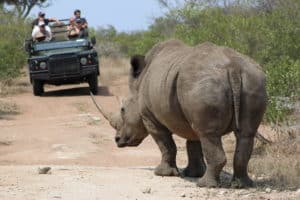
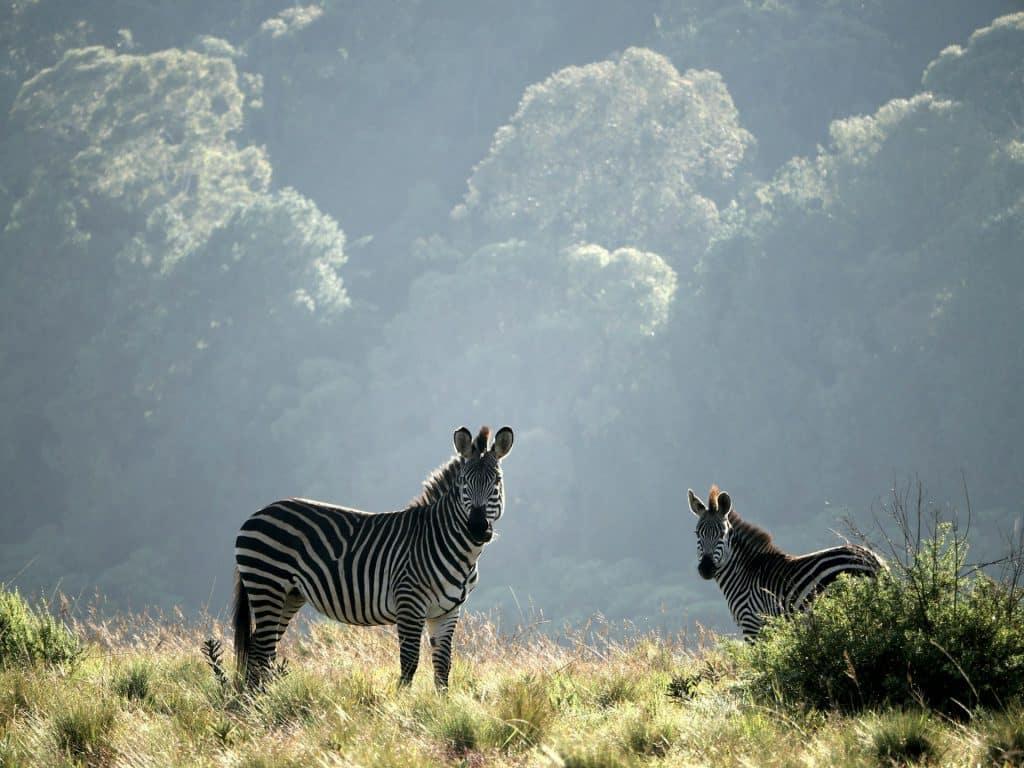
Thanks to conservation projects and wildlife reintroductions, parks such as Liwonde National Park and Majete Wildlife Reserve are now home to elephants, lions, leopards, rhinos, and many other animals. Malawi is now one of the few places where visitors can see the Big Five while still enjoying a quieter, less crowded safari experience. Malawi has introduced a new Tourism Act and created a dedicated Tourism Authority to regulate and promote the sector more effectively, therefore Tourism contributes around 6.7% of Malawi’s GDP and is expected to grow further. Many lodges are smaller and more intimate, and it’s common to spend time with guides and local communities as part of the experience. The lodges have also shifted towards eco-tourism that support local schools and conservation.
Friendly Culture and Local Communities
What really makes Malawi stand out is the people. Visitors often mention how welcoming and friendly Malawians are, which is why the country earned its “Warm Heart of Africa” nickname.
Lilongwe Old Town Market and Blantyre Market is known for selling clothes, textiles, dried fish, fruit and spices, where Lake Malawi has access to more fish species than any other lake in the world, making the fish at these markets pretty rare. Craft traditions such as basket weaving, pottery, wood carving) are passed down through generations, where you can learn to basket weave if you visit. Markets, villages, and lakeside communities are a big part of travelling through Malawi. Rather than feeling heavily commercialised, many areas are authentic and community-focused.
Beautiful Landscapes Beyond the Safari Parks
Although Malawi is relatively small, the landscapes are diverse. Beyond the lake, you’ll find mountains, forests, tea plantations, waterfalls, and rolling highlands. Places like Mount Mulanje are popular for hiking, while the Zomba Plateau offers cooler weather and beautiful walking trails. These quieter natural areas are another part of what makes Malawi feel different from some of Africa’s busier tourist destinations.