When people imagine Africa’s wildlife, they often think first of predators moving through tall grass, elephant herds crossing open plains or vast migration scenes stretching across the horizon.
But some of the most important animals in the ecosystem are rarely the centre of attention.
Beneath the surface of every thriving landscape exists a network of species quietly shaping the environment around them. They recycle nutrients, regenerate habitats, control disease and influence the movement of other wildlife. Without them, ecosystems would struggle to function in balance.
From insects beneath the soil to scavengers circling high above the plains, these hidden architects play an essential role in maintaining Africa’s ecosystems.
Termites: The Engineers Beneath the Ground
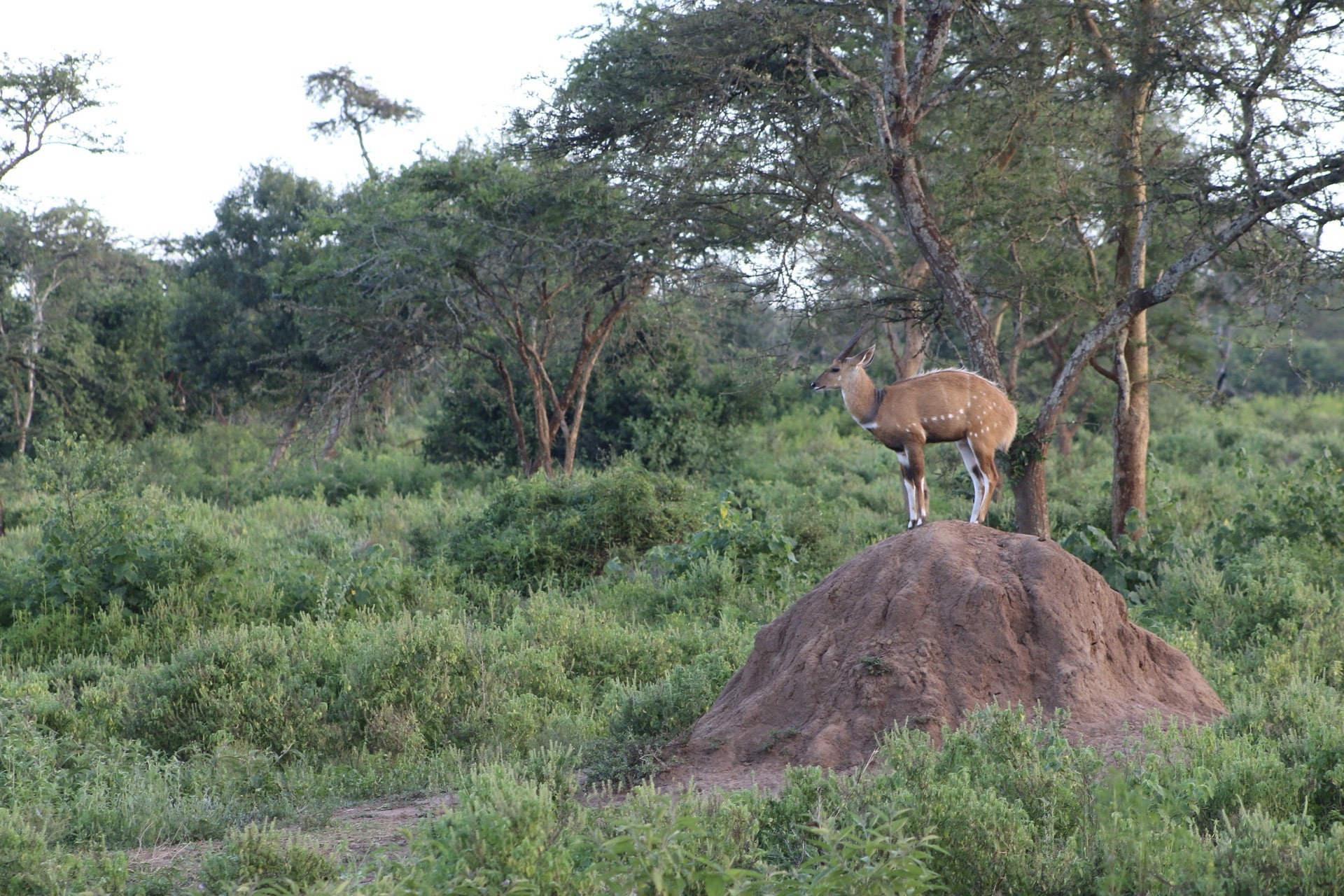
At first glance, termite mounds appear almost motionless against the landscape, scattered across grasslands like natural sculptures. Yet beneath them exists an extraordinary network of activity.
Termites are among the most important ecosystem engineers in Africa.
As they break down dead plant material, termites recycle nutrients back into the soil, improving fertility and supporting new vegetation growth. Their tunnelling systems also help aerate the earth, allowing water to penetrate more effectively during rainy seasons.
In many regions, termite mounds create entire microhabitats. Trees and plants often grow more successfully around them due to richer soil conditions, attracting insects, birds and grazing animals in turn.
Even predators benefit indirectly from termite activity. Healthier vegetation supports herbivores, which then sustain larger carnivores across the ecosystem.
During certain seasons, termite emergences also become a major food source for birds, reptiles and mammals, briefly transforming the landscape into a concentrated feeding ground.
These small insects quietly shape the foundations of the environment itself.
Across destinations such as Botswana, Tanzania and Zambia, termite mounds become a visible reminder that ecosystems are built not only by large wildlife, but by countless smaller processes happening beneath the surface.
Dung Beetles: Nature’s Recyclers
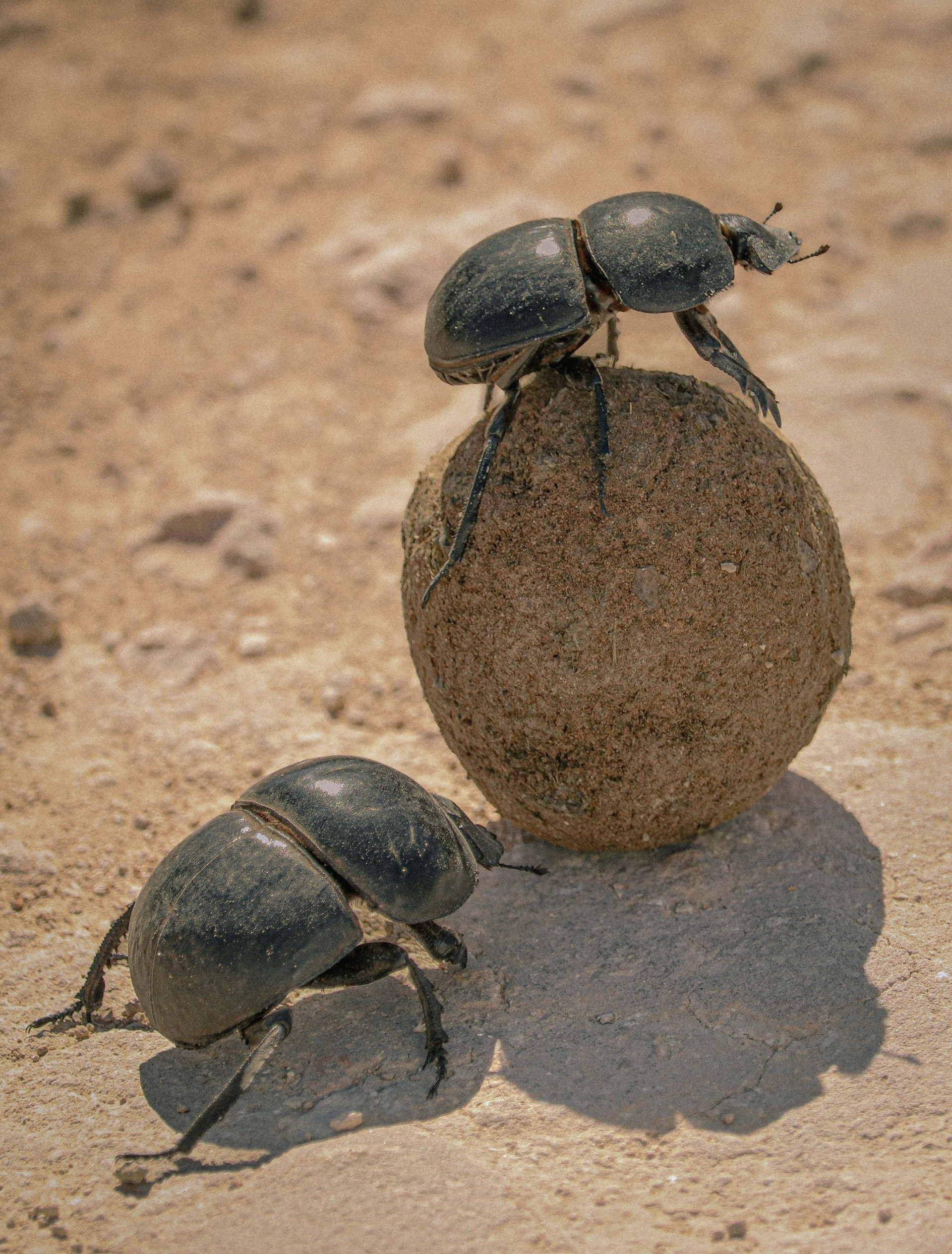
Few animals demonstrate the efficiency of natural systems quite like dung beetles.
Often overlooked during safari experiences, these small insects perform one of the ecosystem’s most important cleaning roles. By breaking down and burying animal waste, dung beetles recycle nutrients back into the soil while helping maintain healthier grazing environments.
Without them, waste would accumulate rapidly across the landscape.
Their work improves soil quality, disperses seeds and reduces parasites that could otherwise spread among wildlife populations. In many ways, dung beetles help sustain the very plains that herbivores depend upon.
Watching them at work reveals a level of strength and determination that feels almost disproportionate to their size, rolling perfectly formed spheres across the earth many times their own body weight.
They are a reminder that even the smallest movements within nature can have significant ecological impact.
During slower-paced safari experiences, observing these overlooked interactions often becomes just as memorable as larger wildlife sightings. It shifts perspective away from spectacle alone and towards understanding how ecosystems sustain themselves in balance.
Vultures: The Clean-Up Crew of the Wild
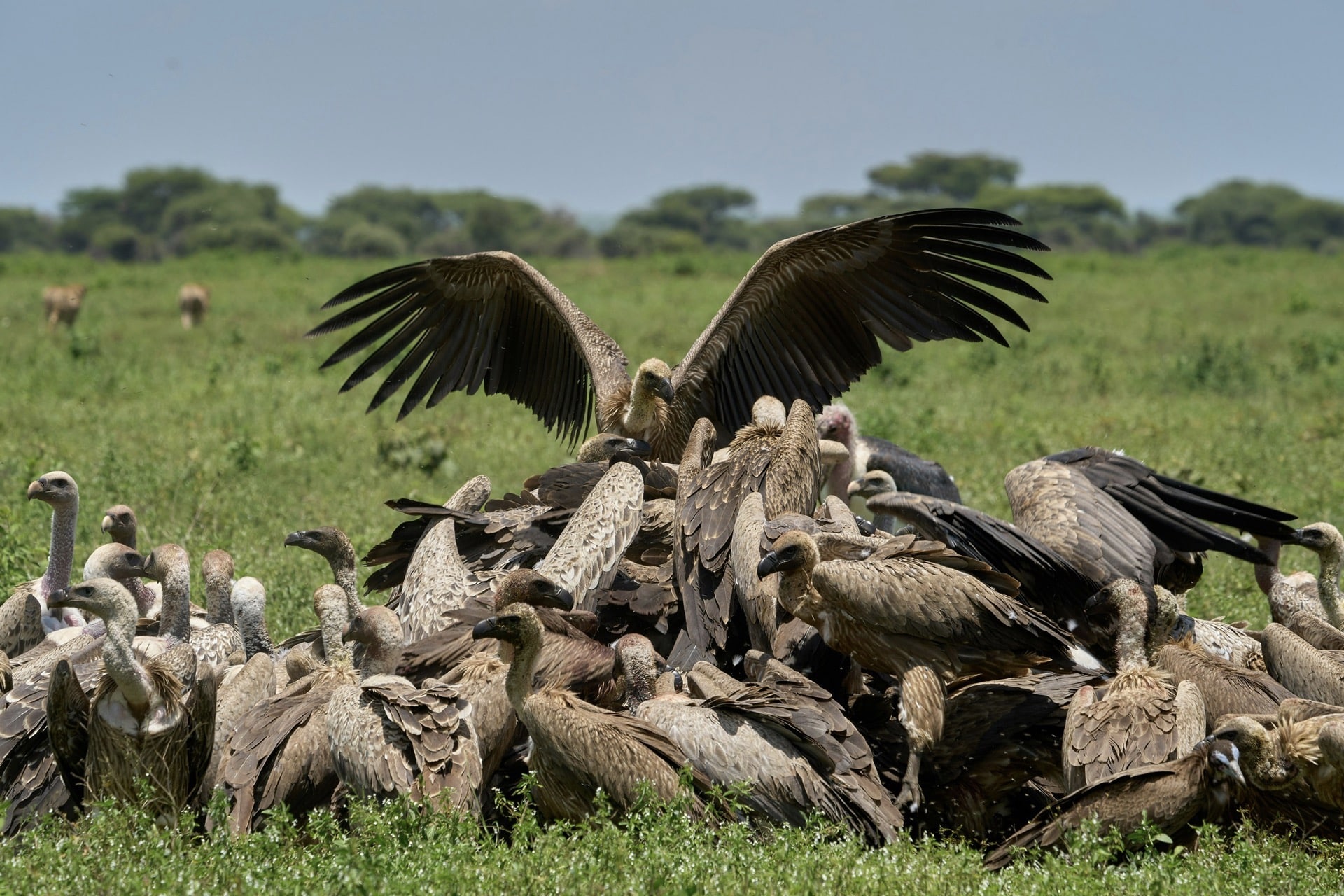
Vultures are rarely celebrated in the same way as predators, yet they are among the most vital species within African ecosystems.
As scavengers, vultures perform an essential sanitation role. By consuming carcasses quickly and efficiently, they help prevent the spread of disease across wildlife populations and surrounding environments.
Their digestive systems are uniquely adapted to process harmful bacteria and toxins that would be dangerous to many other species.
Without vultures, ecosystems become significantly more vulnerable to contamination and disease transmission.
Yet despite their ecological importance, vulture populations across Africa have faced severe decline due to poisoning, habitat loss and illegal wildlife practices.
Their disappearance affects far more than a single species, it disrupts entire ecological systems.
Seeing vultures circling above the plains is not simply a sign of scavenging behaviour. It is evidence of an ecosystem functioning as it should: a natural cycle of life, death and renewal.
Elephants: Shaping Entire Landscapes
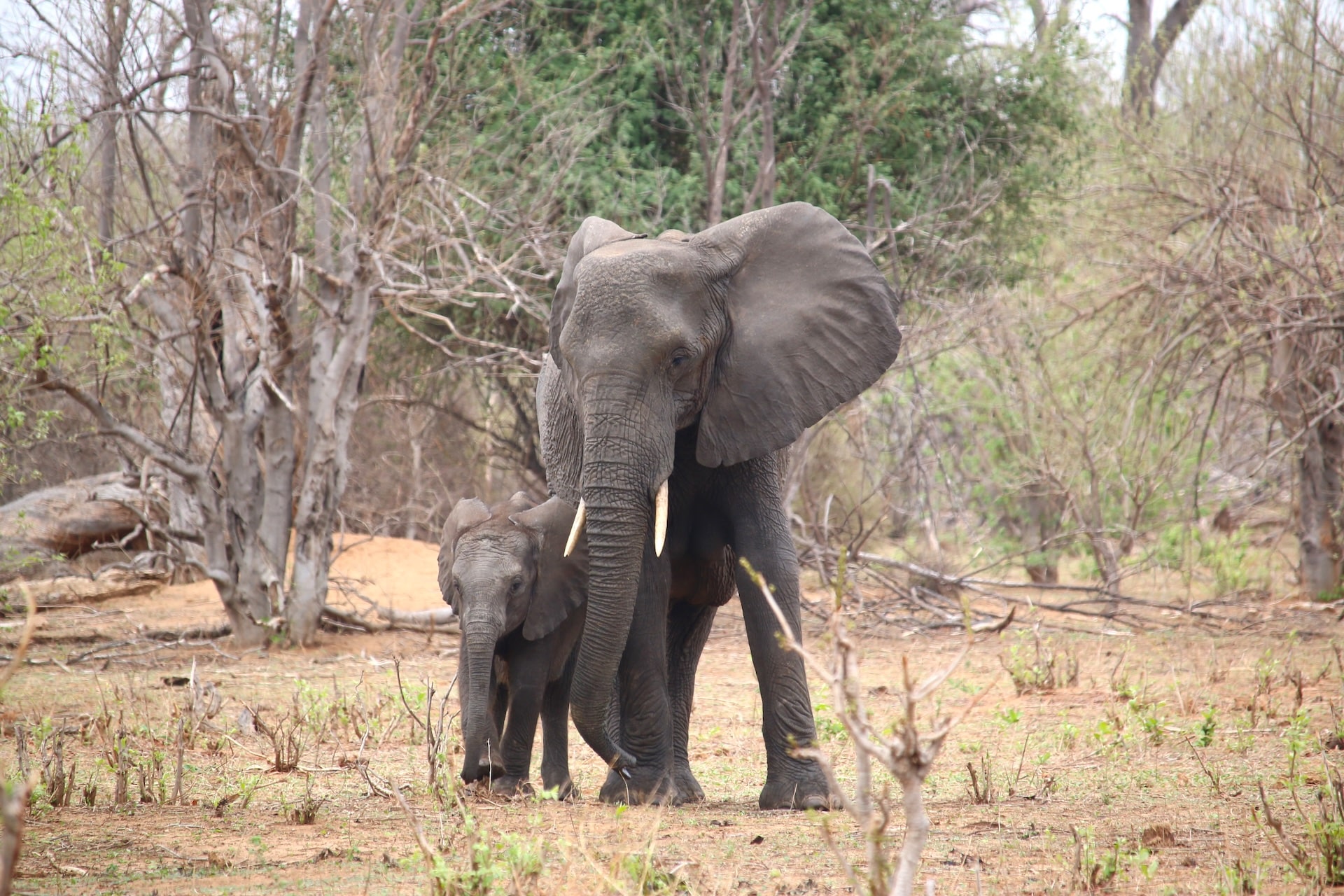
Elephants are often admired for their size and intelligence, but their ecological influence extends far beyond individual sightings.
They are among Africa’s most significant ecosystem engineers.
As elephants move through forests and savannahs, they physically reshape the environment around them. They push over trees, open pathways through dense vegetation and create access routes used by smaller animals. In dry regions, they dig into riverbeds searching for water, unintentionally creating water access points for other species.
Their feeding habits also influence vegetation structure across entire landscapes.
In some areas, elephants help prevent woodlands from becoming too dense, maintaining open grasslands that support grazing species such as zebra and antelope. Seeds consumed by elephants are dispersed across long distances, contributing to plant regeneration and biodiversity.
Even their footprints can collect rainwater, creating temporary habitats for insects and amphibians.
Few species influence ecosystems on such a large scale.
In destinations such as Botswana and Zimbabwe, observing elephant behaviour offers insight not only into the animals themselves, but into the wider systems they help sustain.
They are not simply inhabitants of the landscape; they actively shape it.
Looking Beyond the Obvious
Africa’s ecosystems rely on far more than the animals most people come to see.
Termites enrich soil, dung beetles recycle nutrients, vultures help prevent disease and elephants reshape entire landscapes in ways that support other species. Each plays a vital role in maintaining balance within the wild.
Understanding these quieter interactions reveals how deeply connected ecosystems truly are. Safari is not only about iconic wildlife sightings; it is about recognising the countless species working together to sustain the landscape.
At Sense Earth, we believe conservation begins with awareness. The more we understand these natural systems, the more meaningful our connection to the wild becomes.