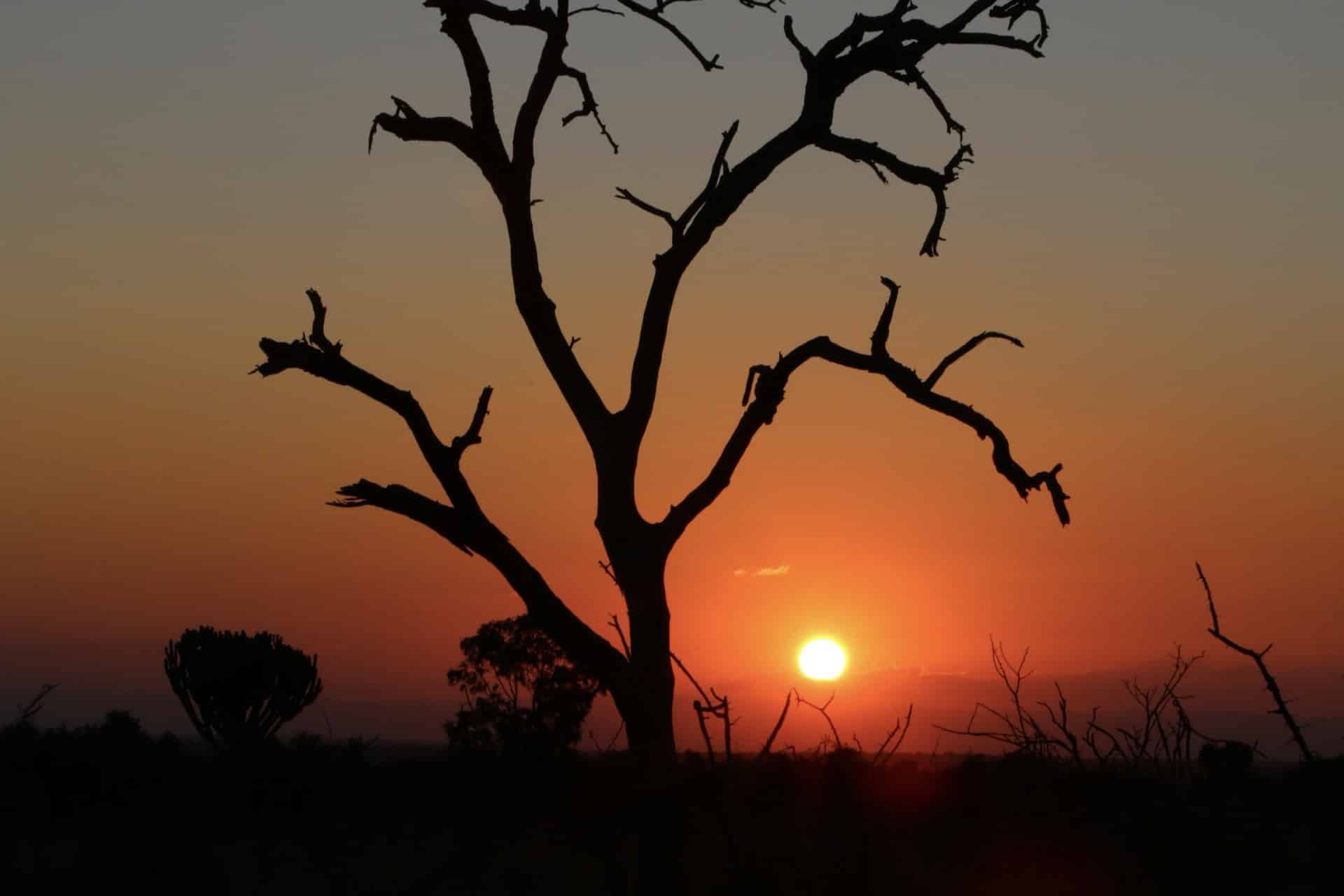
There is something quietly transformative about sunset in Africa. As the light softens and the horizon turns amber, the landscape begins to change. What we see during the day is only part of the story. Once the sun disappears, a different rhythm takes over, one shaped by instinct, adaptation and survival.
The “secret lives” of nocturnal animals are not secret because they are hidden by design, but because they unfold in a time we are less likely to witness. After sunset, ecosystems do not pause. Instead, they transition. Temperatures drop, visibility shifts, and species that are adapted to darkness begin their work.
For many animals, night is a time of opportunity. Cooler conditions allow them to conserve energy and travel further. Darkness offers protection from predators and reduces competition. Some species hunt when their prey is most active, while others forage without the intensity of daytime heat. Over time, these behaviours have become finely tuned responses to Africa’s diverse environments.
What happens after sunset is not separate from the day, it is the continuation of the same ecological system, operating on a different clock.
Across savannahs, forests, wetlands and semi-arid regions, nocturnal species quietly sustain ecological balance. Their movements regulate prey populations, support seed dispersal and contribute to soil processes. Although often unseen, their presence is fundamental to the health of the landscapes we value.
Here are Africa’s Secret Seven – species whose lives truly begin when the light fades.
Aardvark
When darkness falls, the aardvark emerges from its burrow to search for ants and termites. Its nocturnal behaviour helps it avoid extreme daytime heat and reduces exposure to predators. The night provides cooler conditions in which it can forage efficiently across wide areas.
Aardvarks are typically found in open savannahs, grasslands and woodland habitats where the soil is suitable for digging. They live across sub-Saharan Africa, including in Kruger National Park in South Africa, the Kalahari region of Botswana and Namibia, the Serengeti ecosystem in Tanzania, and Etosha National Park in Namibia. Despite their wide range, they are rarely seen due to their solitary and secretive nature.
African Wildcat
The African wildcat is most active after sunset, using darkness to stalk rodents and small prey with precision. Night-time movement reduces competition and allows it to operate more effectively during cooler hours.
This species prefers dry savannahs, open woodland, semi-arid landscapes and grasslands with adequate cover. They can be found in areas such as Kruger National Park, Kgalagadi Transfrontier Park, Serengeti National Park, and Murchison Falls National Park in Uganda.
Civet
The African civet travels widely through the night, feeding on fruit, insects and small animals. Its nocturnal habits reduce encounters with larger predators and support its role in seed dispersal, contributing to habitat regeneration.
Civets are commonly associated with forest edges, savannahs and riparian areas, particularly where water is present. They occur in Queen Elizabeth National Park and Bwindi Impenetrable Forest in Uganda, Serengeti National Park in Tanzania, Kruger National Park in South Africa, and forest regions across West and Central Africa.
Large-Spotted Genet
Under the cover of darkness, the large-spotted genet moves quietly between trees and across the ground. Night activity enhances its ability to hunt insects and small vertebrates while remaining concealed.
It inhabits woodlands, forests and savannahs with scattered trees, as well as riverine environments that provide cover and climbing opportunities. It is widely distributed across sub-Saharan Africa, including Serengeti National Park, Kruger National Park, Amboseli National Reserve, and Queen Elizabeth National Park.
Pangolin
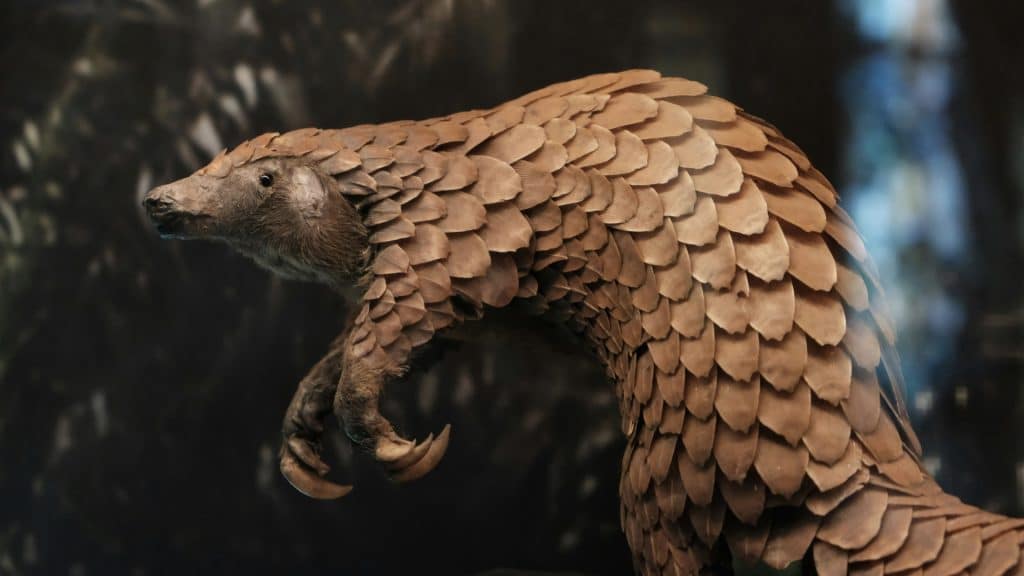
The pangolin’s secret life is almost entirely nocturnal. It emerges after sunset to feed on ants and termites, using specialised adaptations to access insect nests. Being active at night helps reduce heat stress and lower predation risk.
Pangolins inhabit forests, savannahs and wooded landscapes where termite mounds are abundant. They can be found in regions such as Kruger National Park, South Luangwa National Park in Zambia, and Ruaha National Park in Tanzania, although sightings in the wild are extremely rare.
Porcupine
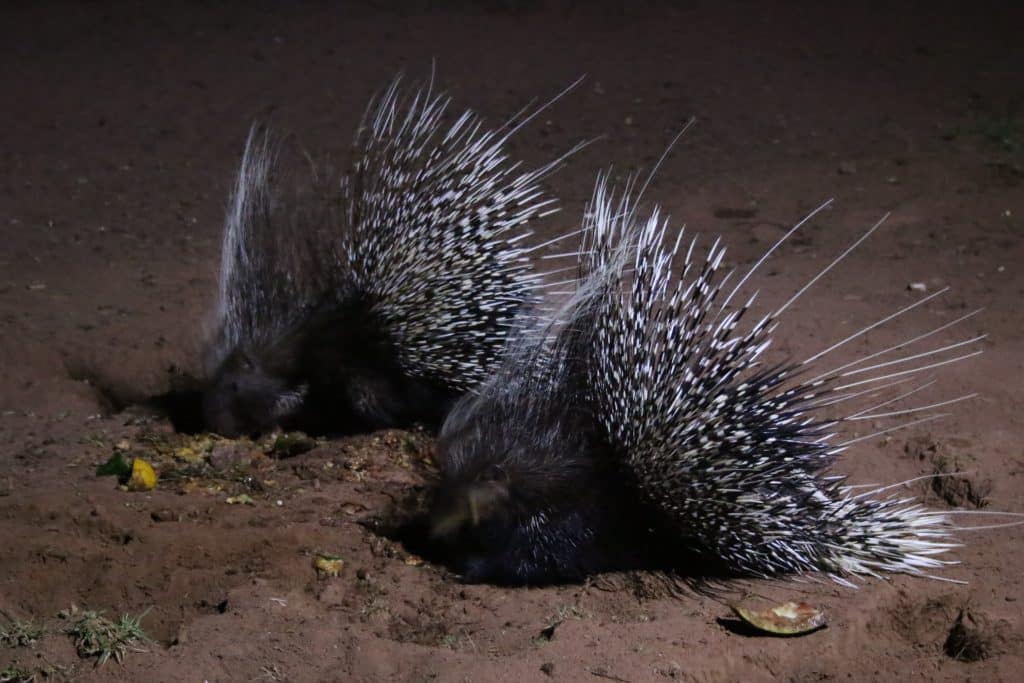
The African crested porcupine forages at night, feeding on roots, tubers and vegetation. Cooler temperatures support energy conservation, while darkness reduces the likelihood of predator encounters.
Porcupines live in forests, savannahs, rocky areas and semi-arid environments, often sheltering in caves or burrows during the day. They occur in Kruger National Park, Etosha National Park, Serengeti National Park, the Ngorongoro Conservation Area, and Kidepo Valley National Park.
Serval
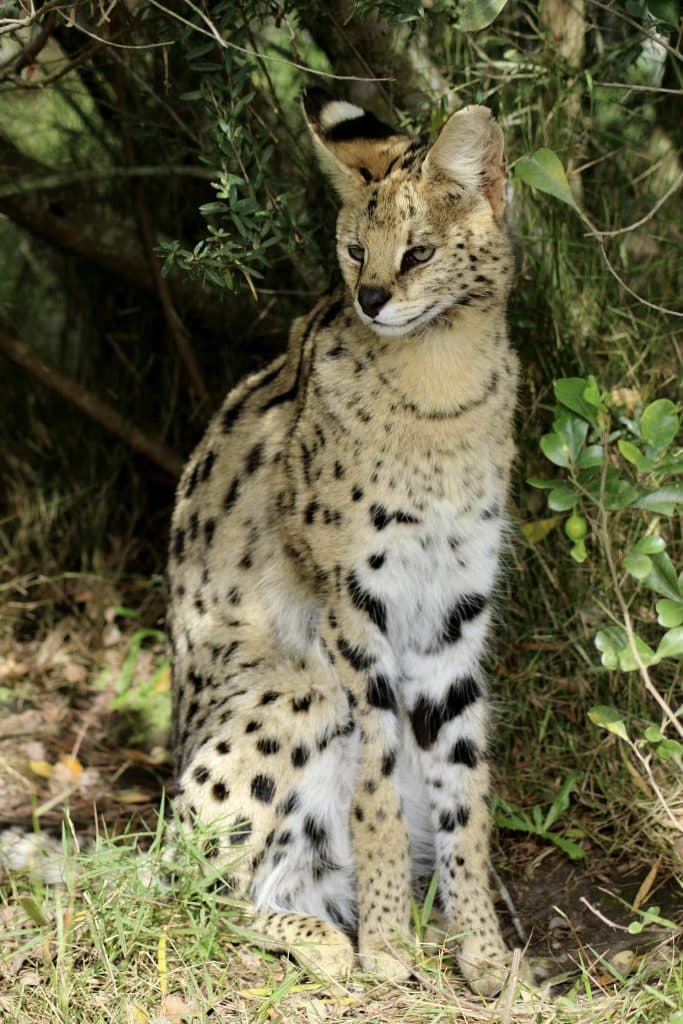
The serval is a grassland specialist whose long legs and large ears are adapted for detecting prey in low light conditions. While primarily active at night or during twilight, it relies on tall vegetation for cover when hunting.
Servals prefer wetlands, floodplains and tall grasslands, particularly near water where rodent populations are abundant. They are found in Serengeti National Park, the Maasai Mara National Reserve, the Okavango Delta, Kruger National Park, and Queen Elizabeth National Park.
After Sunset
So, what happens after sunset?
The landscape does not become still, it becomes dynamic in a different way. Night brings movement that sustains ecosystems, behaviours that maintain balance, and adaptations that reflect millions of years of evolution.
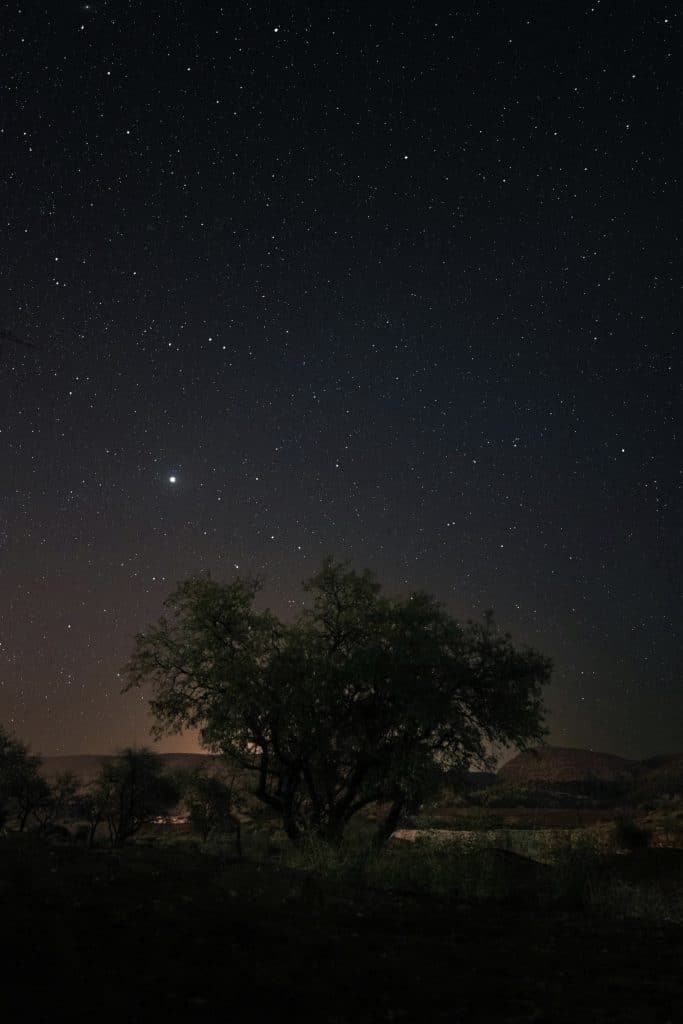
The secret lives of nocturnal animals remind us that biodiversity is continuous. It does not operate within the limits of human visibility. It follows natural cycles of light and dark, heat and cool, rest and activity.
By understanding what happens after sunset, we gain a fuller picture of the environments we work to protect. Conservation is not only about what we see in daylight, it is about safeguarding entire systems, including those that unfold under the stars.
Because when the sun goes down, the story of the wild is far from over.