What’s the Difference between iPhone and Camera Pictures?
A phone is great for everyday convenience and works really well in good lighting or up close. Most modern phones can take impressive photos, so for casual use they’re more than enough. But once the lighting gets worse or the subject is further away, the differences between a phone and a camera become much more noticeable.
Phones rely heavily on software and image processing to create sharp, vibrant images. That works brilliantly in many situations, but sometimes photos can look a little dull due to a lack of a good zoom. A camera, on the other hand, captures more natural detail and gives you much more control over how the final image looks. It also gives you flexibility with lenses and settings.
Which Zoom do you Need on Safari?
One of the biggest advantages of a camera is zoom. Wildlife is often far away, so being able to zoom in properly makes a huge difference. Phones usually use digital zoom, which crops into the image and reduces quality quite quickly. A dedicated camera uses optical zoom instead, meaning the lens physically zooms in without losing detail. Safari photographers often use long lenses such as 70–200mm or even 100–400mm lenses because animals can be a long distance away. With a phone, distant subjects can end up looking soft, blurry, or lacking in detail. This is why most serious safari photographers prefer cameras over phones.
Mirrorless / DSLR Cameras
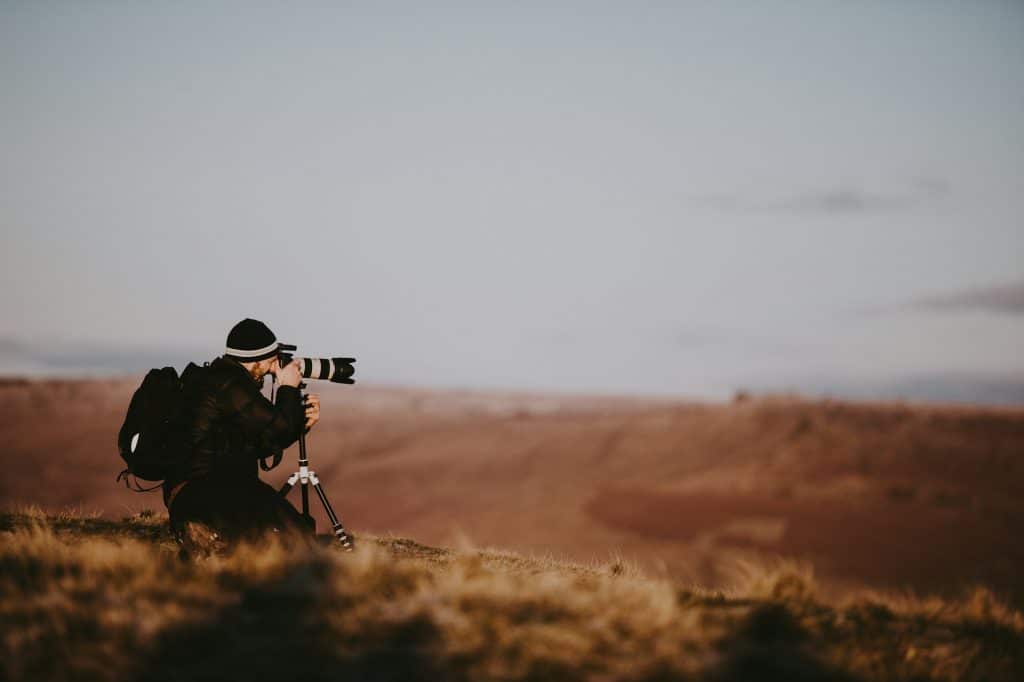
These are the cameras most professional photographers use. They have larger sensors and interchangeable lenses, which gives you much better image quality and more creative flexibility. Mirrorless cameras are especially popular now because they’re lighter and more compact than older DSLR cameras while still delivering excellent results. Cameras like the Sony A6000 or Nikon models are common choices for travel and wildlife photography.
Bridge Cameras
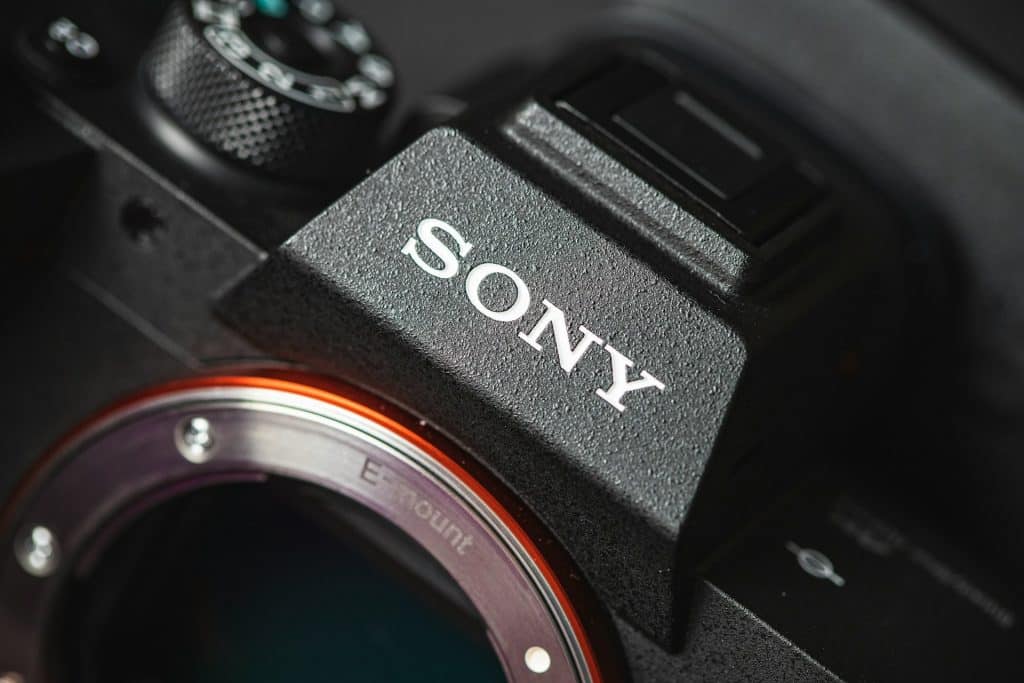
Bridge cameras sit somewhere between a phone and a professional camera. They usually have a fixed lens with a huge zoom range built in, which makes them really practical for safari. You don’t need to swap lenses, as they’re generally easier to use and often more affordable than buying a full camera and lens setup separately. Many people like them because they offer strong zoom performance without being overly complicated.
Compact Cameras
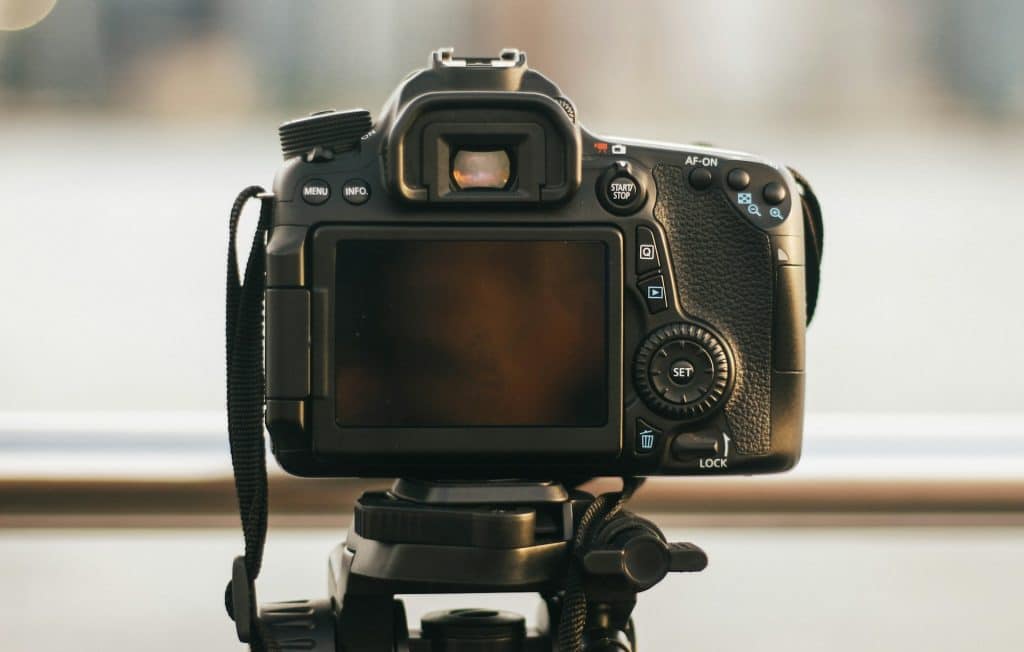
Low-cost compact cameras are usually better than a phone optically, but they don’t offer the same level of image quality or flexibility as larger cameras as they’re small and easy to carry around which makes them useful for travel. However, many cheaper compact cameras are becoming less popular now because phone cameras have improved so much.
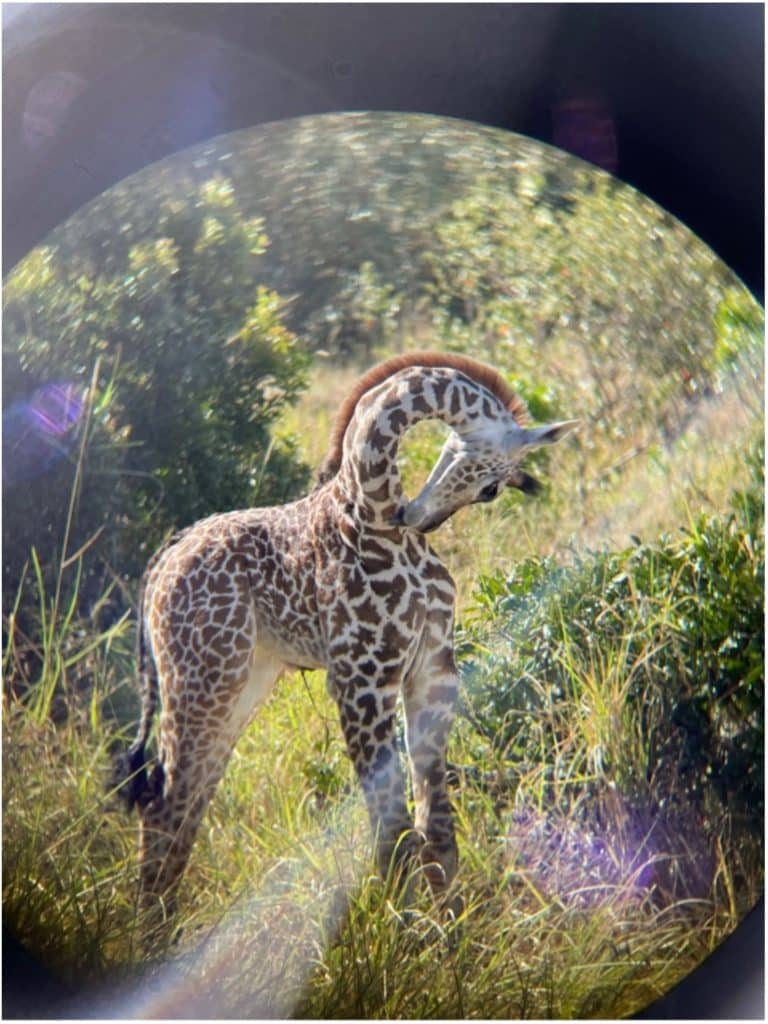
In my experience on safari, we didn’t have cameras, only our phones, which made things far more difficult. We struggled with many low-resolution shots, so instead we had to get a bit creative! We took iPhone photos through our binocular lens to create a fish-eye effect, while this process was a bit fiddly, the results came out rather well! This use of the binoculars helped to create a zoom effect that made images of the animal much clearer.
Which Camera Should I Take on Safari?
If your main priority is convenience and you mostly want quick photos to share online, your phone will probably do the job perfectly well. But if you want detailed zoom and better image quality a dedicated camera is probably worth considering. Even an entry-level camera with a zoom lens will usually outperform a phone when photographing animals at a distance. For most people, a bridge camera is a good middle ground because it offers strong zoom and good quality without being too expensive or difficult to use. If photography is something you care about, it can make a huge difference to your safari experience.