
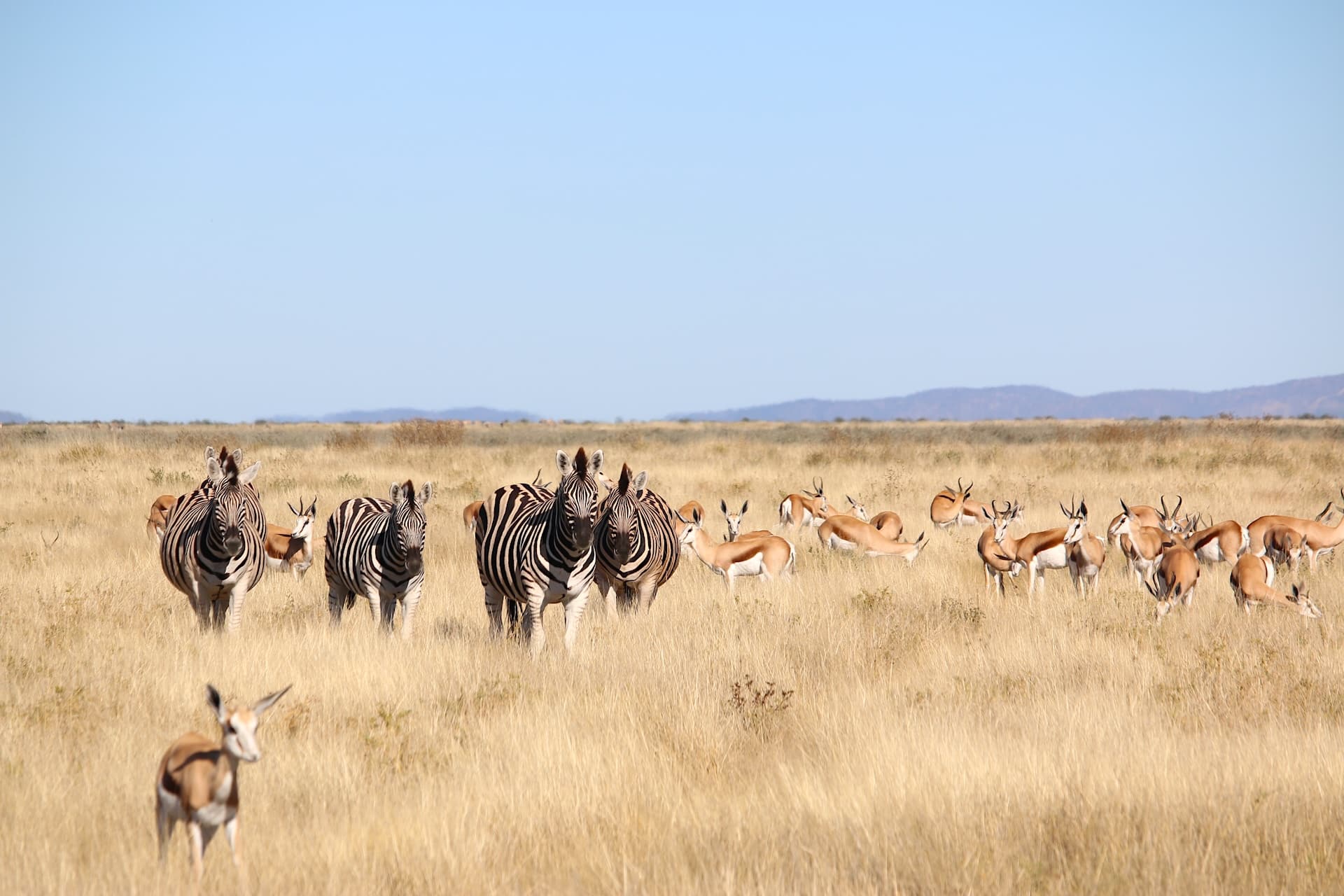
When we travel to remote landscapes and wildlife-rich destinations, it’s easy to focus on what we’re hoping to see. The leopard resting in an acacia tree. The blue-footed booby performing its courtship dance. The elephant herd gathering at a waterhole as the sun begins to set.
But the most responsible travellers think about something else too: what they leave behind.
“Leave No Trace” is a simple philosophy built around minimising our impact on the natural world. Originally developed as a framework for outdoor recreation, its principles encourage travellers to respect wildlife, protect habitats and preserve wild places for future generations. Today, it’s widely recognised as one of the most important approaches to responsible travel.
For wildlife travellers, leaving no trace goes beyond taking your rubbish home. It’s about understanding that every decision we make in nature has an impact, however small.
Wildlife Comes First
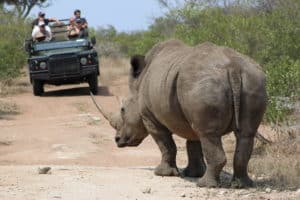
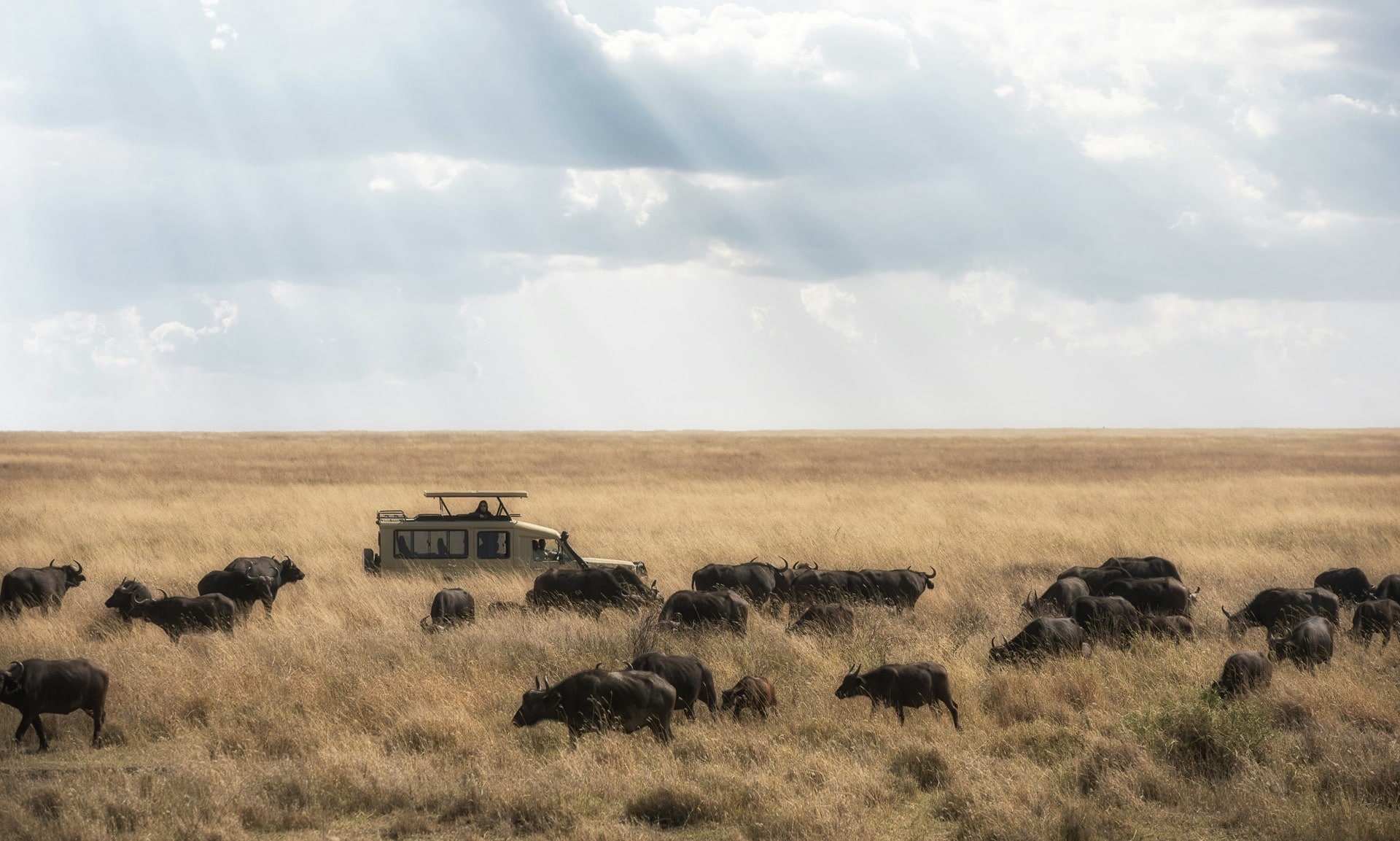
One of the most important aspects of leaving no trace is respecting wildlife. Observing animals from a safe distance, avoiding sudden movements and never attempting to attract animals closer for a photograph helps ensure natural behaviours remain undisturbed. Wildlife experts consistently advise against approaching or feeding animals, as it can alter behaviour patterns and create long-term problems for both animals and people.
The most memorable wildlife encounters are often the ones where you simply become part of the background. Watching a pride of lions continue their evening routine or observing a family of giant tortoises grazing naturally is far more rewarding than influencing their behaviour.
Take Memories, Leave Everything Else
When travelling through spectacular environments, it can be tempting to take a souvenir. A shell from a beach. A feather found on a trail. A particularly beautiful stone.
Yet these small objects often play an important role in local ecosystems or form part of the experience for future visitors. Leave No Trace encourages travellers to leave natural and cultural features exactly as they are found. The best souvenir is often a photograph and the story that comes with it.
Stay on the Path
Whether you’re walking through the Galápagos, exploring the forests of India or following a trail in Namibia, sticking to designated paths helps protect fragile habitats. Repeated foot traffic can damage vegetation, disturb nesting sites and contribute to erosion.

Many of the destinations we visit may appear vast and untouched, but some ecosystems can take decades to recover from seemingly minor disturbances.
Small Actions, Big Impact
Responsible travel is often about the smallest habits:
- Refillable water bottles instead of single-use plastics.
- Taking litter home, even if it isn’t yours.
- Keeping noise to a minimum around wildlife.
- Supporting lodges and operators committed to conservation.
- Following local guidance from guides and conservation teams.
Individually these actions may seem insignificant. Collectively, they help protect the places we all travel to experience.
The Future of Wildlife Travel
Wildlife tourism has the power to support conservation, create local employment and give people a reason to protect natural habitats. But that only works if visitors travel responsibly.
The reality is that the wild places we love are under increasing pressure. More people are travelling than ever before, and some destinations are welcoming record numbers of visitors. Responsible behaviour has never been more important.
At Sense Earth, our journeys are built around meaningful wildlife encounters and a deep appreciation for the environments we explore. By travelling thoughtfully and leaving no trace, we help ensure that future generations can experience the same moments of wonder that inspire us today.
Because the greatest compliment we can pay a wild place is to leave it exactly as we found it.