
Which Sprays or Repellents should I bring on Holiday / Safari?
Travelling to Africa is an unforgettable experience, however one essential item that should always be on your packing list is insect repellent. Protecting yourself from insect bites is important for comfort, but also for reducing the risk of illnesses in certain regions. Therefore, different destinations and activities require different types of protection, so choosing the right insect repellent can make a significant difference to your overall travel experience. Here are five of the best insect repellents to consider packing for your next journey with us.
1.DEET Repellents
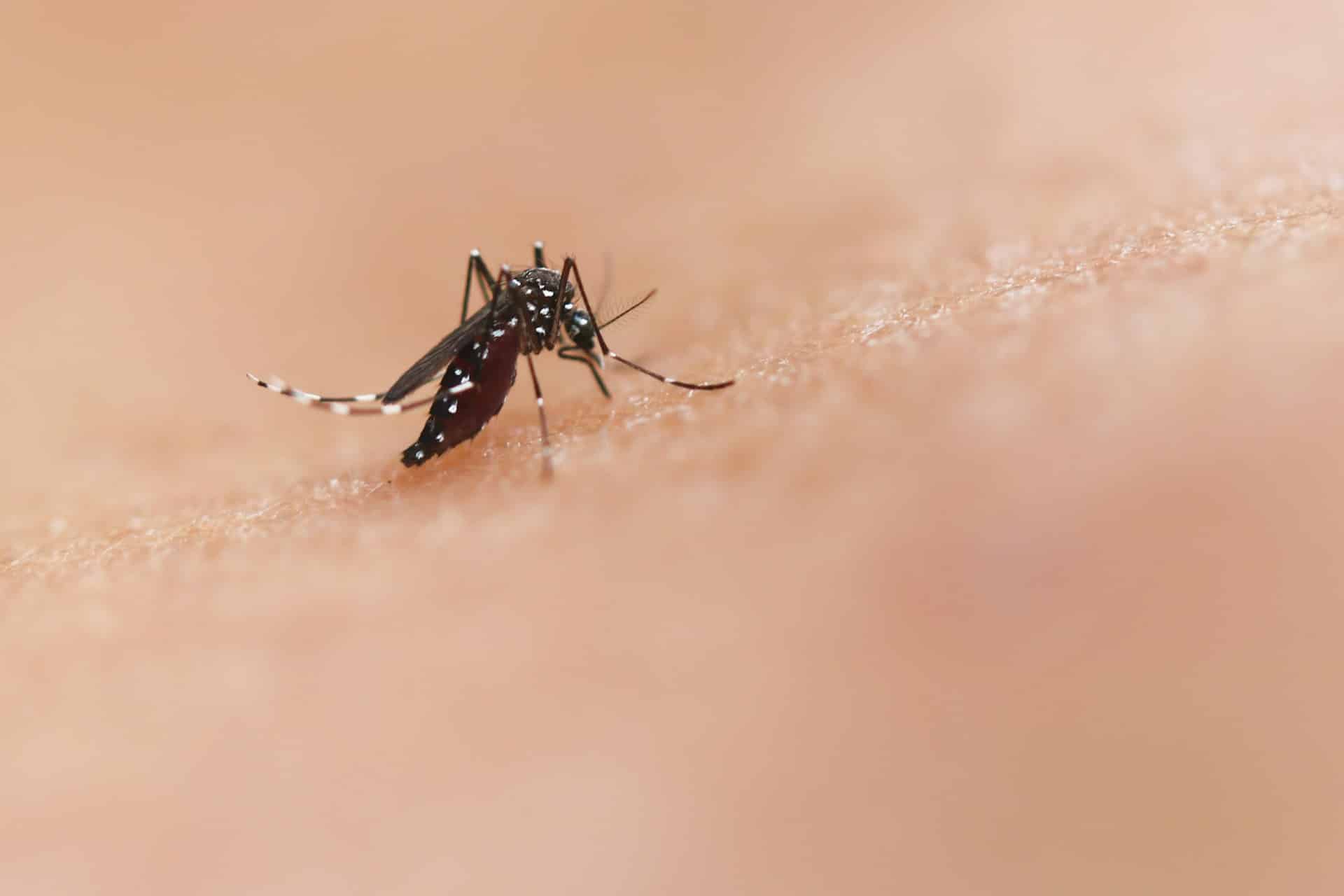
DEET is usually considered one of the most effective and reliable insect repellents available and has a strong protect against pesky mosquitoes, including species that may carry malaria, and is especially useful in high-risk or humid environments. Repellents containing around 30 – 50% DEET are pretty ideal for long lasting protection during activities such as evening game drives or walking safaris. One of the biggest advantages of DEET is its durability as even a single application can provide protection for several hours, making it a top pick for travellers visiting remote areas or spending a long amount of time outside.
2.Picaridin Repellents
Picaridin has become an increasingly more popular alternative to DEET. It offers excellent protection against mosquitoes and other biting insects while avoiding some of the drawbacks associated with DEET, such as the strong smell or oily texture. Picacrdin is gentle on the skin, comfortable for regular use, and less likely to damage plastics, clothing, or camera equipment, which can be useful when travelling with electronics or photography gear.
3.Natural Repellents
For travellers looking to find a more natural option, plant-based repellents can provide moderate protection in lower-risk areas. Products containing oil of eucalyptus are generally considered the most effective among natural repellents and can work well during daytime activities or in regions with fewer mosquitoes. While natural repellents may need to be reapplied more frequently than chemical-based alternatives, they are often preferred by those with sensitive skin or those looking for a lighter everyday option. They can also be a useful addition alongside stronger repellents for layered protection.
4.Permethrin Clothing Sprays
Permethrin works differently from traditional repellents because it is applied to clothing and gear rather than directly onto the skin. Once sprayed onto items such as trousers, jackets, socks, hats, or backpacks, it helps repel and kill insects on contact. This type of protection is especially useful for safaris, bush walks, camping trips, or evenings spent outdoors. Treated clothing can remain effective through several washes, providing long-lasting defence throughout your trip. Combining permethrin-treated clothing with a skin repellent is often one of the most effective ways to reduce bites. This product can be bought over the counter at your nearest pharmacy.
5.Insect Repellent Wristbands
Wristbands and patches are not typically as powerful as sprays or lotions, but they can still be a good addition. Lightweight and easy to carry, they are useful for short outings or as a backup option when you do not want to reapply spray immediately. These products are particularly popular for travellers wanting a simple and portable solution and they can complement stronger repellents rather than replace them entirely.
Final Tips for Travelling
When travelling in Africa the best approach is often to combine several methods of protection. Using a DEET or Picaridin repellent on exposed skin alongside permethrin-treated clothing can provide a strong defence against bites. Wearing lightweight long sleeves and trousers in the evening can also help reduce exposure to mosquitoes. Now you are prepared for your next trip with us! See you soon.