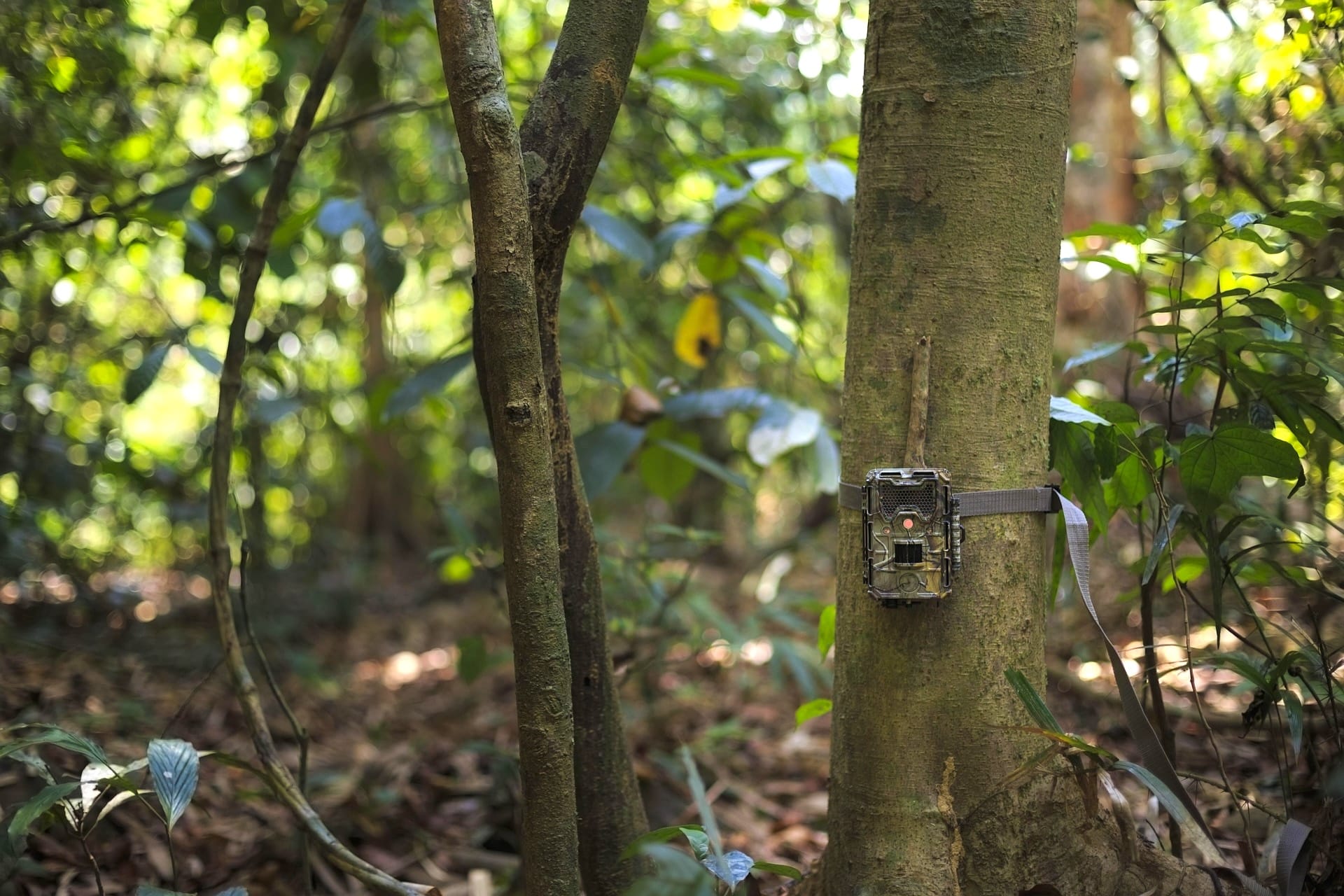
In many of Africa’s wild landscapes, some of the most important conservation work happens quietly. Away from visitors, beyond main tracks and far from daily human activity, camera traps are placed along water sources and natural trails, patiently recording life as it moves through the environment.
These small, motion-activated cameras have transformed how we understand ecosystems. They allow conservation teams to observe wildlife without interference, capturing behaviour that would otherwise remain unseen. In forests, savannahs and remote reserves, they provide a window into the rhythms of animals that are often shy, nocturnal or highly elusive.
What they reveal is not just individual species, but patterns of how animals share space, how they move between habitats, and how ecosystems function across the full cycle of day and night.
Seeing the Landscape Differently
Camera traps do not disturb the environment. Once installed carefully, they operate independently, triggered by movement and heat. Over time, they collect images and footage that help build a clearer understanding of species presence, habitat use and population trends.
For nocturnal animals in particular, camera traps are invaluable. Species such as genets, civets, pangolins and servals are rarely encountered during daylight surveys. Yet through camera monitoring, their presence becomes visible, confirming that the night is far from empty. It is active, dynamic and ecologically significant.
The technology does not replace field observation but instead it complements it, strengthening conservation strategies with long-term, evidence-based insight.
My Personal Experience with Camera Traps
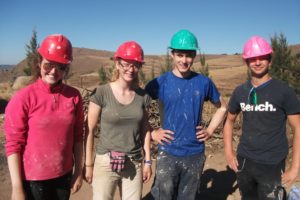
During my gap year in 2023, whilst volunteering with a wildlife sanctuary and conservation foundation, I had the opportunity to help set up and monitor camera traps in southern Namibia, situated on the edge of the Namib Desert near the Naukluft Mountains.
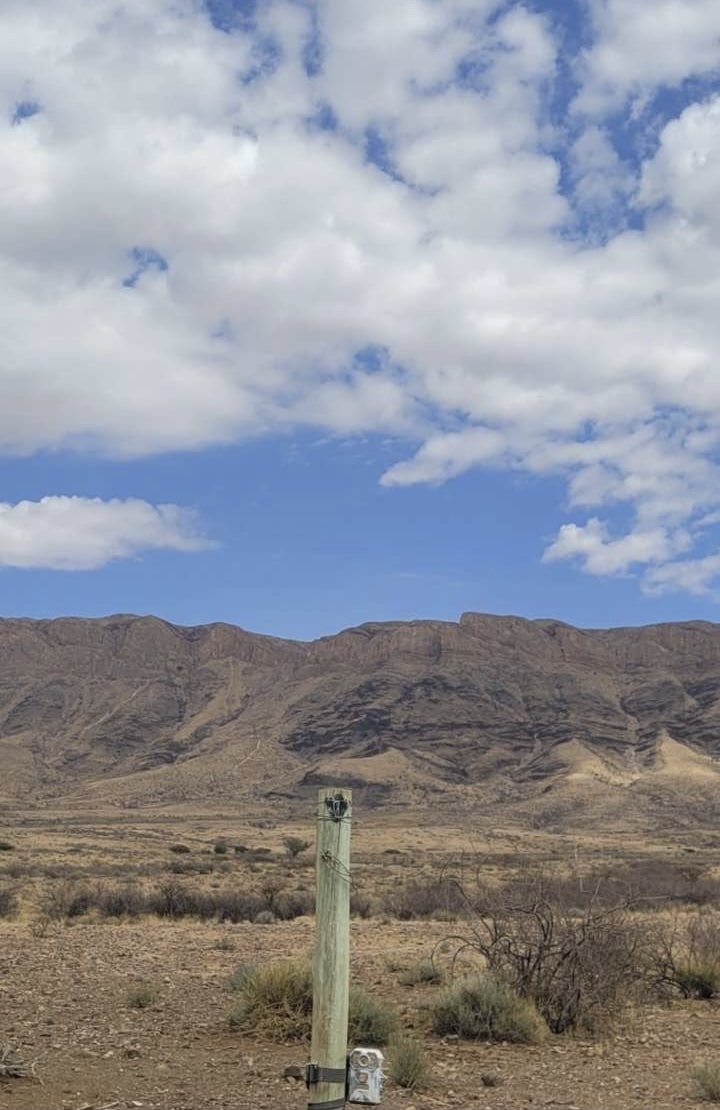
The experience was both practical and deeply rewarding. Installing the cameras required thoughtful placement along animal movement routes, ensuring they were positioned responsibly and without disrupting the landscape. There was something meaningful about knowing that these small devices would quietly observe wildlife over time, contributing to conservation research in the area.
One of the most exciting parts of the process was reviewing the footage. When the memory cards were collected and the images loaded, the landscape came to life on screen. We recorded leopards moving through the area, zebra at a watering hole, a large groups of baboons interacting naturally and a cackle of Hyena’s sniffing around. Seeing these animals captured on camera (especially during night hours) reinforced just how much activity takes place when humans are not present.
It was a reminder that conservation work is not always about visible encounters. Often, it is about patience, monitoring and building a deeper understanding of how ecosystems function over time.
Revealing the Hidden Rhythms of Nature
Many of Africa’s species are naturally cautious or active after sunset. Camera traps help uncover these hidden behaviours, documenting wildlife in habitats where direct observation would be difficult or disruptive. Through this method, conservation teams can better understand predator–prey relationships, movement corridors and habitat preferences.
By capturing activity across both day and night, camera traps help complete the ecological picture. They show that landscapes are never truly still, only shifting between rhythms.
This perspective strengthens conservation planning, ensuring decisions are informed by reliable data rather than assumptions. It highlights where wildlife is present, how species interact, and where protection efforts may be most needed.
A Quiet Contribution to Conservation
What makes camera traps so powerful is their subtlety. They observe without altering behaviour, allowing animals to move naturally through their environment. In doing so, they support a respectful approach to wildlife monitoring, one rooted in patience and long-term understanding.
In places like where I went in Namibia and across many protected landscapes, this technology plays an important role in safeguarding biodiversity. It helps document species presence, informs habitat management, and contributes to ongoing research that supports conservation outcomes.
The images they capture remind us that wildlife exists independently of human observation.
Ecosystems function on their own cycles, shaped by light, climate and ecological relationships.
Camera traps simply allow us to witness that process more clearly.
Understanding What We Cannot Always See
In conservation, some of the most important discoveries happen quietly. A single image can confirm a species’ presence. A sequence of photographs can reveal movement patterns. Over time, these insights help guide protection strategies and strengthen ecosystem resilience.
The secret world revealed by camera traps is not hidden because it is meant to be unknown. It exists naturally, unfolding beyond our immediate view.
Through careful monitoring, collaboration and continued commitment to conservation, we can better understand these hidden dynamics and ensure they continue.
Because much of the wild operates beyond the spotlight.
And thanks to tools like camera traps, we are learning to see it more clearly.